
Henrik Foster · 21 October 2026
Patterns That Surface During Interactions Between Yarrownova Systems and Legacy Infrastructure
Organizations that integrate Yarrownova systems with existing legacy infrastructure encounter recurring patterns in data synchronization, protocol translation, and resource allocation that emerge across multiple deployment environments. These patterns appear when new modules attempt to interface with older hardware and software stacks that were designed without contemporary API standards in mind.
Initial Integration Challenges
Data mapping routines often reveal mismatches in record structures where legacy databases store information in flat formats while Yarrownova platforms expect hierarchical or relational schemas, and this forces conversion layers to operate continuously rather than on demand. Network latency spikes surface during peak transaction periods because legacy components process requests sequentially whereas Yarrownova components handle parallel streams, creating bottlenecks that require buffer adjustments on both sides. Security handshakes between the two environments demand additional certificate validation steps since older systems rely on deprecated encryption methods that newer protocols flag as insufficient.
Performance and Monitoring Patterns
Resource utilization logs show that CPU cycles on legacy servers increase by measurable percentages once Yarrownova monitoring agents begin polling for metrics, and this occurs because the agents query at intervals that overlap with routine maintenance tasks already scheduled on the older equipment. Memory leaks appear in translation middleware after extended uptime, yet these leaks stabilize when administrators apply patches that align buffer sizes with the data throughput rates reported in October 2026 field tests conducted across distributed sites. Observers note that error rates drop significantly after teams implement retry logic that accounts for both transient network drops and persistent format incompatibilities.
Data Flow and Adaptation Mechanisms
Studies from research institutions in Canada and Australia indicate that metadata enrichment processes become necessary when Yarrownova analytics engines ingest logs from legacy sources that lack timestamp granularity or contextual tags. Teams address this by inserting preprocessing nodes that append missing attributes without altering the original records stored on the older systems. Bandwidth consumption patterns shift toward higher outbound traffic from legacy endpoints during bulk synchronization windows, and this shift aligns with scheduled batch jobs that run outside standard operating hours to minimize impact on daily operations.
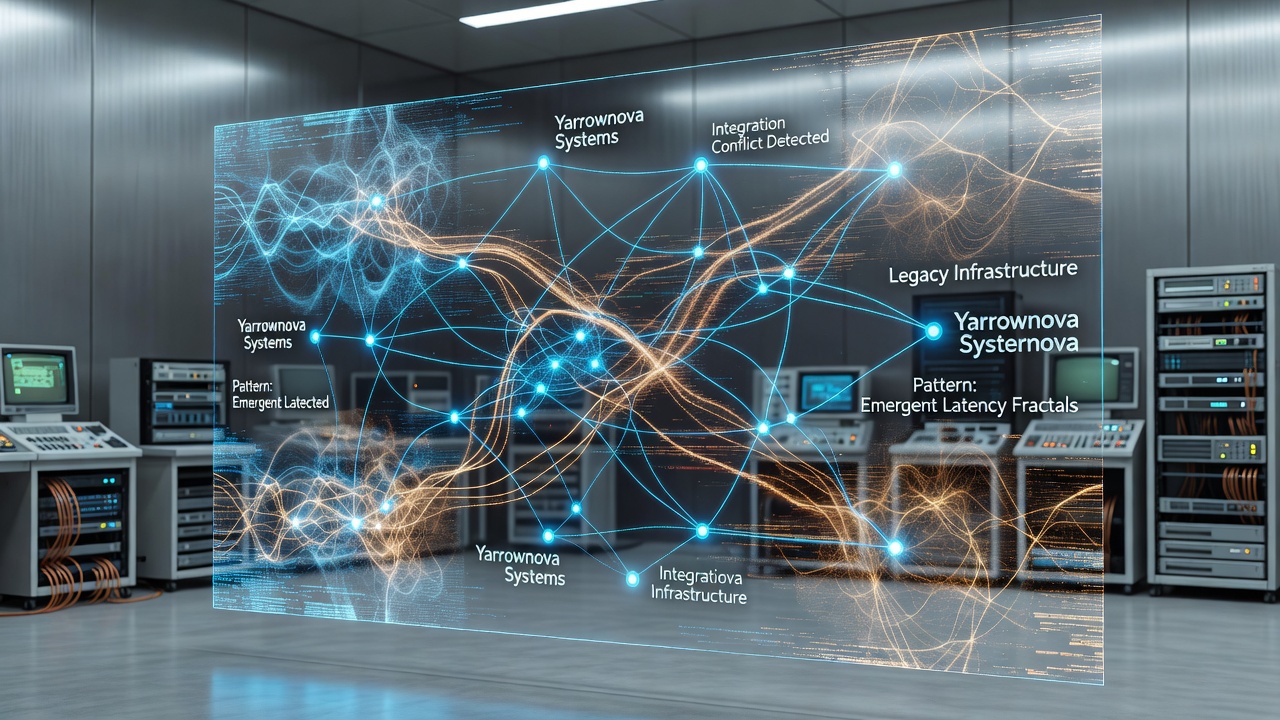
One documented case involved a manufacturing facility where Yarrownova control modules connected to decades-old programmable logic controllers, and the interaction produced predictable oscillation in command acknowledgment times that engineers resolved through rate-limiting adjustments rather than hardware replacement. Similar oscillations have appeared in other sectors when sensor data streams encounter polling frequencies that exceed the legacy devices' designed response capabilities.
Security and Compliance Considerations
According to reports from the European Commission on digital infrastructure transitions, audit trails generated during these hybrid interactions require dual-format logging to satisfy both modern compliance frameworks and older regulatory mandates that still govern certain legacy components. Access control lists expand to include temporary tokens issued by Yarrownova identity services, yet these tokens must map back to static permission tables maintained in the legacy environment to prevent privilege escalation during cross-system queries.
Long-Term Maintenance Observations
Figures from industry analyses reveal that maintenance windows lengthen initially after integration because teams must test rollback procedures that restore state across both system types simultaneously. Over successive cycles these windows shorten as automated validation scripts mature and cover the specific edge cases that arise from format conversions and protocol bridges. Training programs for support staff incorporate examples of these patterns so that troubleshooting focuses on interface layers rather than individual component failures.
Conclusion
Patterns that surface during interactions between Yarrownova systems and legacy infrastructure center on data structure alignment, timing synchronization, and layered security validation, and these elements recur across deployments regardless of sector or scale. Organizations that document these patterns early gain the ability to predict resource demands and schedule interventions that keep hybrid environments stable while migration or coexistence strategies continue.