Nils Vogel · 7 October 2026
Tracing Hybrid Variety Adaptations in Resource Allocation Models for Decentralized Monitoring Networks
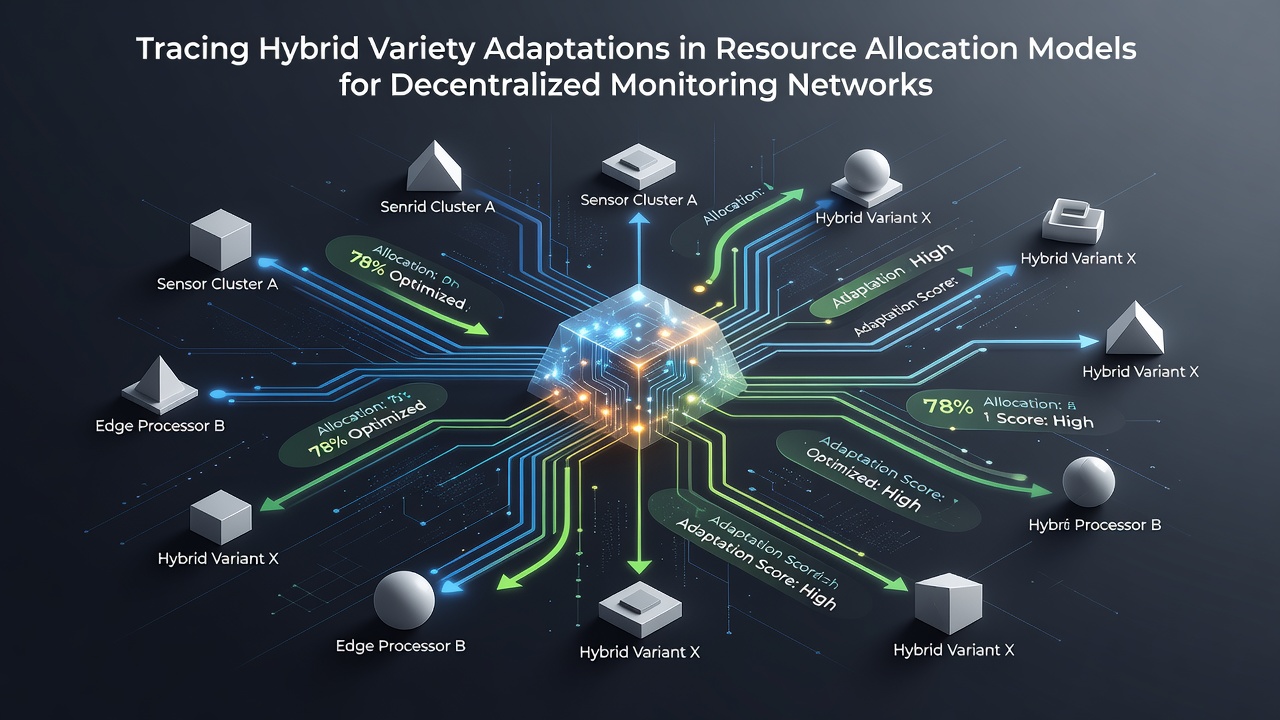
Researchers have developed methods to trace hybrid variety adaptations within resource allocation models that support decentralized monitoring networks, and these approaches combine elements from computational biology with network optimization techniques. Data from field deployments indicate that hybrid models allow nodes to adjust resource distribution dynamically while maintaining stability across variable conditions, and studies published through academic channels show measurable improvements in allocation efficiency when adaptation tracing protocols operate continuously.
Decentralized monitoring networks often consist of distributed sensors and processing units that operate without central authority, and resource allocation models in these systems must account for fluctuating loads, energy constraints, and data transmission demands. Observers note that tracing hybrid variety adaptations involves mapping how different algorithmic strains evolve and interact over time, much like tracking genetic lineages in plant breeding programs yet applied to software and hardware configurations.
Core Components of Adaptation Tracing
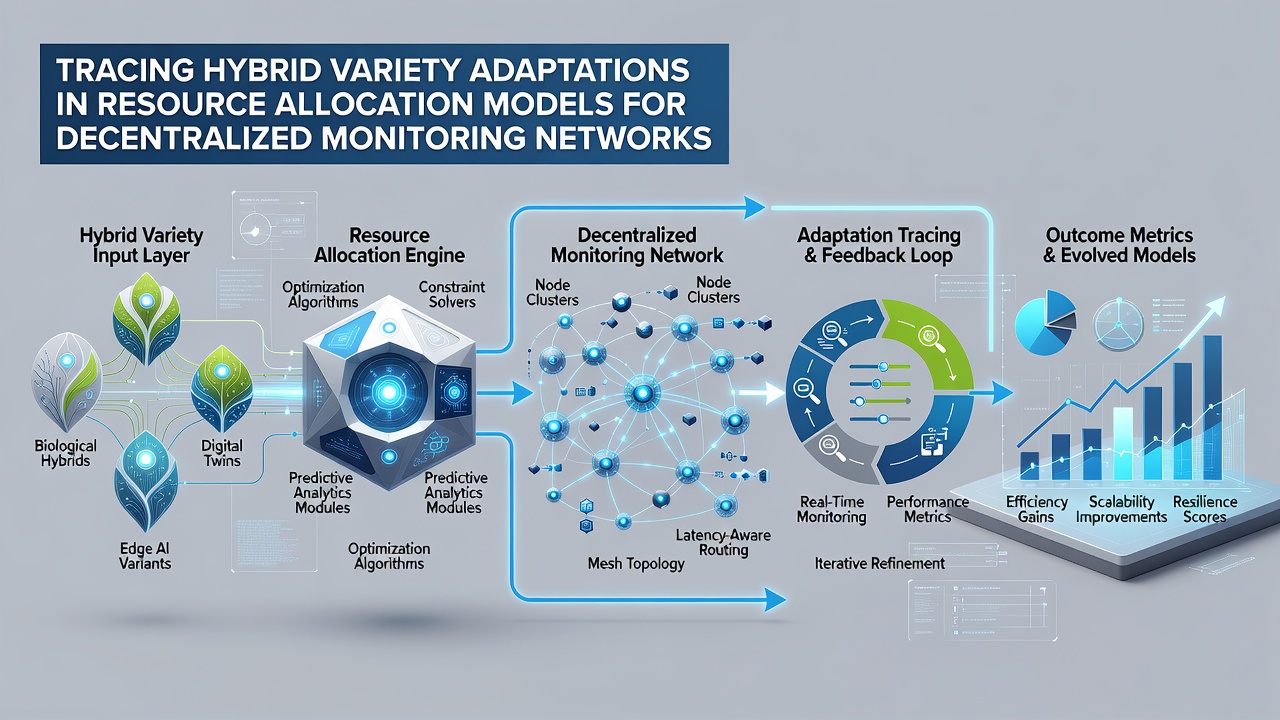
Adaptation tracing relies on several interconnected layers that include data collection from network nodes, pattern recognition algorithms, and feedback mechanisms that update allocation rules. Experts at institutions across North America and Europe have documented cases where these layers integrate sensor readings with historical performance logs to identify which hybrid configurations deliver consistent resource use under stress, and figures from recent deployments reveal that such tracing reduces unnecessary reallocations by measurable margins.
One key element involves the identification of variety markers, which are specific behavioral signatures left by different hybrid combinations during operation. Researchers apply statistical clustering to these markers so that shifts in allocation priorities become visible before they affect overall network performance, while case studies from monitoring projects in agricultural regions demonstrate how early detection supports proactive adjustments.
Application in October 2026 Deployments
By October 2026 several large-scale monitoring initiatives had incorporated adaptation tracing into their operational frameworks, particularly in environmental surveillance programs spanning Australia and the European Union. Reports from these initiatives show that networks using traced hybrid varieties maintained higher uptime during seasonal resource fluctuations compared with static allocation baselines, and government summaries from Canadian environmental agencies highlight similar patterns in water quality monitoring grids.
These deployments often link hybrid adaptations to external benchmarks such as those maintained by the National Institute of Standards and Technology, which provides reference models for decentralized system evaluation. Integration with such benchmarks allows operators to compare local adaptation traces against standardized datasets, and this cross-referencing process helps confirm that observed improvements stem from genuine variety shifts rather than isolated anomalies.
Technical Mechanisms and Data Patterns
Technical implementations typically employ graph-based representations where each node carries attributes describing its current hybrid variety state, and edges represent allocation pathways that change according to traced adaptation signals. Analysts examine these graphs to locate bottlenecks or underutilized segments, and software tools developed at research centers in the Asia-Pacific region automate much of the graph traversal and update processes.
Patterns emerging from longitudinal data sets indicate that successful hybrid varieties often exhibit intermediate traits between aggressive and conservative allocation strategies, allowing networks to respond to both sudden spikes and prolonged low-activity periods. Evidence from peer-reviewed publications suggests that continuous tracing of these intermediate states correlates with lower overall energy expenditure across the network, though the exact mechanisms continue to undergo refinement in ongoing trials.
Integration Challenges and Observed Outcomes
Integration of adaptation tracing into existing decentralized infrastructures presents several technical hurdles, including compatibility between legacy allocation engines and newer tracing modules. Teams working on these integrations report that phased rollouts, supported by modular software updates, reduce disruption while permitting real-time validation of hybrid variety performance, and similar phased approaches appear in documentation from regulatory bodies in multiple jurisdictions.
Observed outcomes include improved load balancing during peak monitoring periods and more predictable behavior when nodes join or leave the network dynamically. Data compiled by international research consortia show that networks employing traced adaptations sustain target service levels across wider ranges of environmental variables than those relying on fixed models alone, and these results hold across both urban sensor grids and remote ecological stations.
Conclusion
Tracing hybrid variety adaptations in resource allocation models continues to evolve as decentralized monitoring networks expand in scope and complexity. Evidence gathered through operational deployments and academic analysis demonstrates that systematic tracing provides actionable insights into how different hybrid configurations perform under real conditions, and this information supports ongoing refinement of allocation strategies. As additional projects adopt these methods through 2026 and beyond, the accumulated data sets will likely contribute to standardized practices that span geographic and sectoral boundaries.